Geothermie Delft: geothermal energy and heat storage accelerate the heat transition
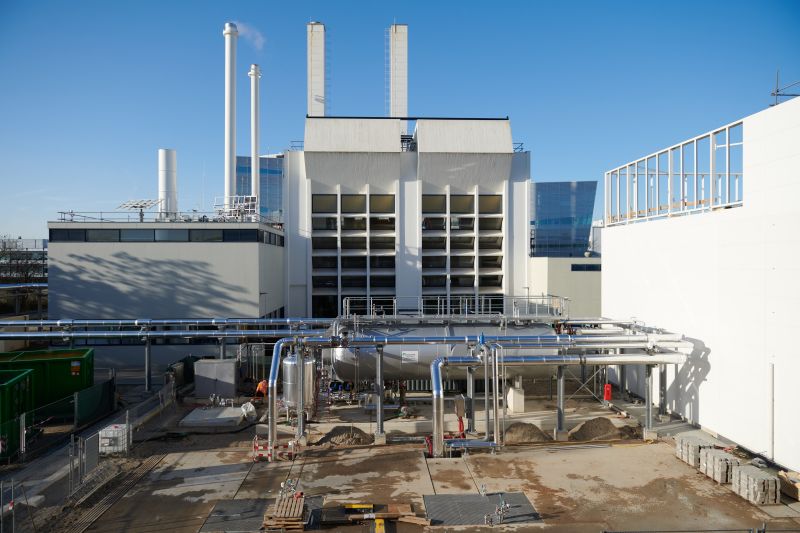
Launch of the Geothermie Delft geothermal project
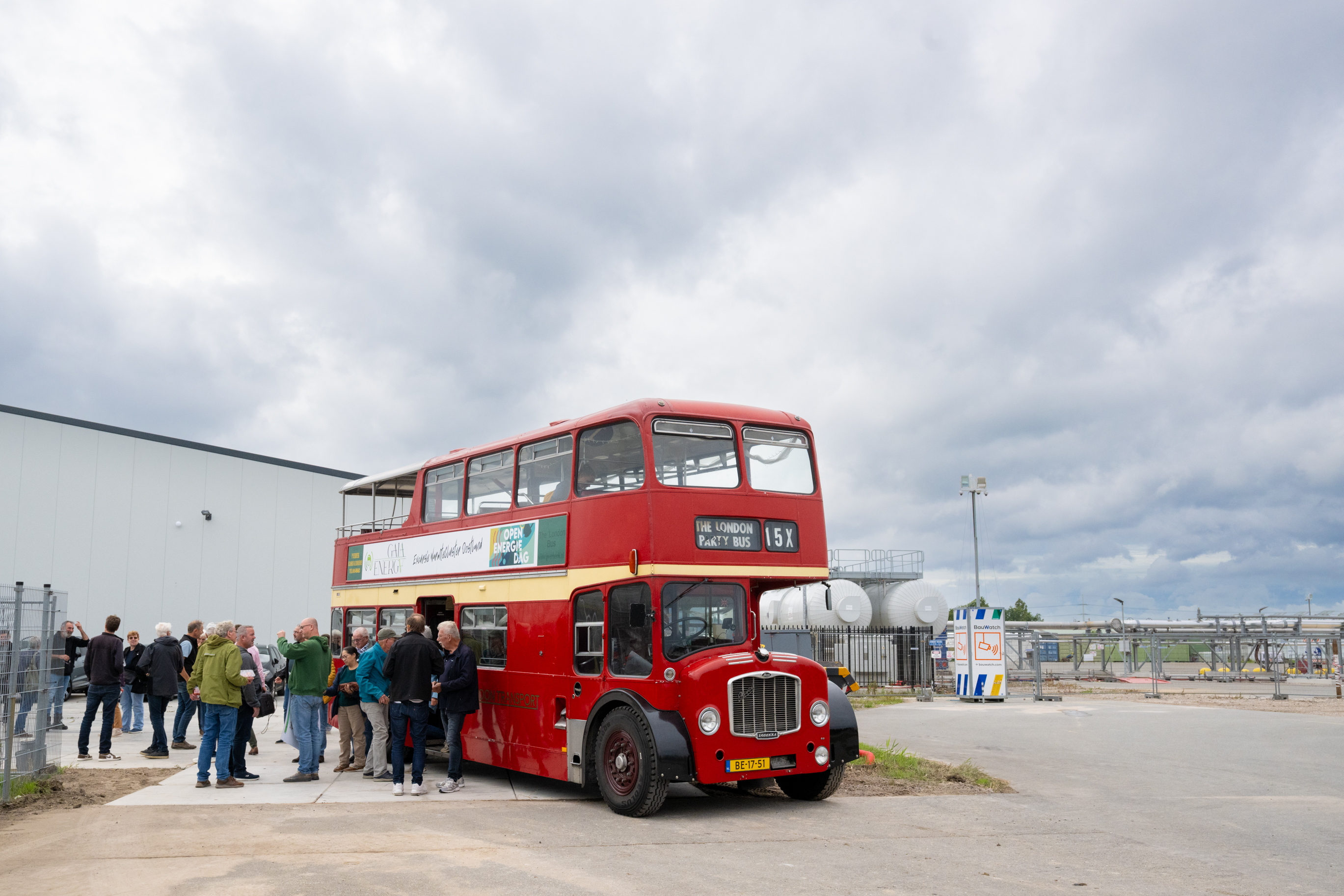
February 25, 2026, marked a significant milestone for sustainable energy in the Netherlands. As of this date, the Geothermie Delft project is officially supplying geothermal heat to the TU Delft Campus and surrounding student housing. During a celebratory event, the project partners marked this step toward a more sustainable heating system.
Over the coming years, approximately 6,000 homes in the Delft neighborhoods of Voorhof and Buitenhof will be connected to the heat network. In doing so, the project demonstrates that geothermal energy can be a scalable and reliable source of sustainable heat for urban areas and existing housing.
For the Dutch energy transition, this represents another important step toward a built environment free from natural gas.
Geothermal energy as a sustainable heat source for the built environment
Geothermal energy has been used in the Netherlands for some time, primarily in greenhouse horticulture. Geothermie Delft is unique because the geothermal heat is being used directly for homes and buildings in an urban setting.
Heat from deep underground is delivered via a heat network to homes, student complexes, and buildings on the TU Delft campus. This reduces the use of natural gas and significantly lowers CO₂ emissions from the built environment.
The project shows that collective heating systems using geothermal energy are a realistic solution for sustainable district heating.
Innovation in geothermal energy: High-Temperature Storage (HTS)
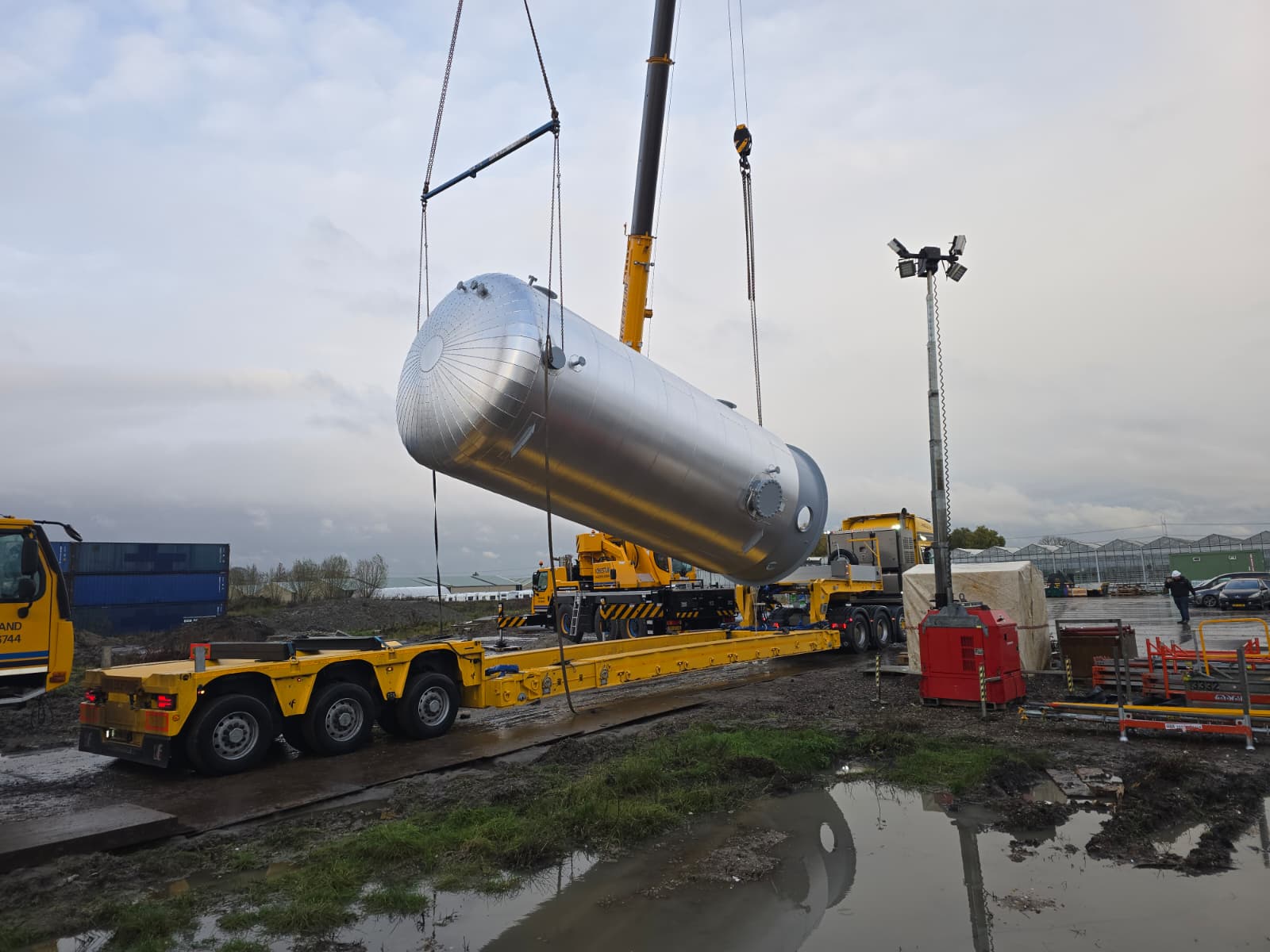
A key innovative component of Geothermie Delft is the application of High-Temperature Storage (HTS). This technology makes it possible to temporarily store heat from the geothermal source underground.
In the summer, when heat demand is lower, excess heat can be stored in shallower permeable soil layers. In the winter, this heat can be recovered when demand is higher.
Through this form of underground heat storage:
- the efficiency of the geothermal source is increased
- the reliability of the heat network is improved
- the system can better manage seasonal fluctuations in heat demand
The HTS facility in Delft will be the first in the Netherlands to supply heat from storage to the built environment. Furthermore, the facility is part of the European research program PUSH-IT, which investigates how energy storage can contribute to a more efficient energy system.
Research and knowledge development in geothermal energy
A unique aspect of Geothermie Delft is its close collaboration with TU Delft. The project is linked to scientific research into areas including:
- performance of geothermal reservoirs
- optimization of heat networks
- integration of geothermal energy and heat storage
- monitoring of underground energy systems
This combination of practical experience and scientific research accelerates the safe and responsible scaling of geothermal energy in the Netherlands.
The knowledge gained will allow future geothermal projects to be developed and implemented more efficiently in other cities.
Collaboration as the key to successful geothermal projects
Geothermie Delft was established through intensive collaboration between various public and private partners. The project is being developed and executed by:
- Gaia Energy
- TU Delft
- EBN
- NetVerder
- InWarmte
- Municipality of Delft
In addition, housing associations Woonbron, Vidomes, Stedelink, and DUWO play a key role in connecting homes to the heat network.
The sustainable heat is supplied to residents and buildings via NetVerder and heat supplier InWarmte. Trust, transparency, and a focus on affordability for tenants were key success factors in the project's development.
This public-private partnership demonstrates that geothermal energy, heat storage, and heat networks together form a viable path toward sustainable collective heating.
Gaia Energy: building sustainable heat in the Netherlands
Gaia Energy plays a major role in the development and realization of Geothermie Delft. The project is a concrete example of how collaboration between knowledge institutions, governments, and energy companies can accelerate the energy transition.
By combining geothermal energy with innovative solutions such as heat storage, a robust and future-proof energy system is created.
With Geothermie Delft, we are not only building sustainable heat for today, but also developing knowledge, innovation, and scalable solutions for the future of geothermal energy in the Netherlands.
Gaia Energy is proud of its contribution to this project, a tangible example of how geothermal energy can play a key role in the heat transition.